
Not sure whether your North Texas property needs an aerobic or conventional septic system? We break down the key differences, costs, and when each system is required.
When it comes to septic systems in North Texas, homeowners often face a choice between aerobic and conventional systems. Understanding the differences can save you time, money, and headaches down the road.
Conventional septic systems use gravity to move wastewater from your home into a septic tank, where solids settle and liquids flow into a drain field. They are simpler, less expensive to install, and require less maintenance — but they only work on properties with the right soil conditions and adequate lot size.
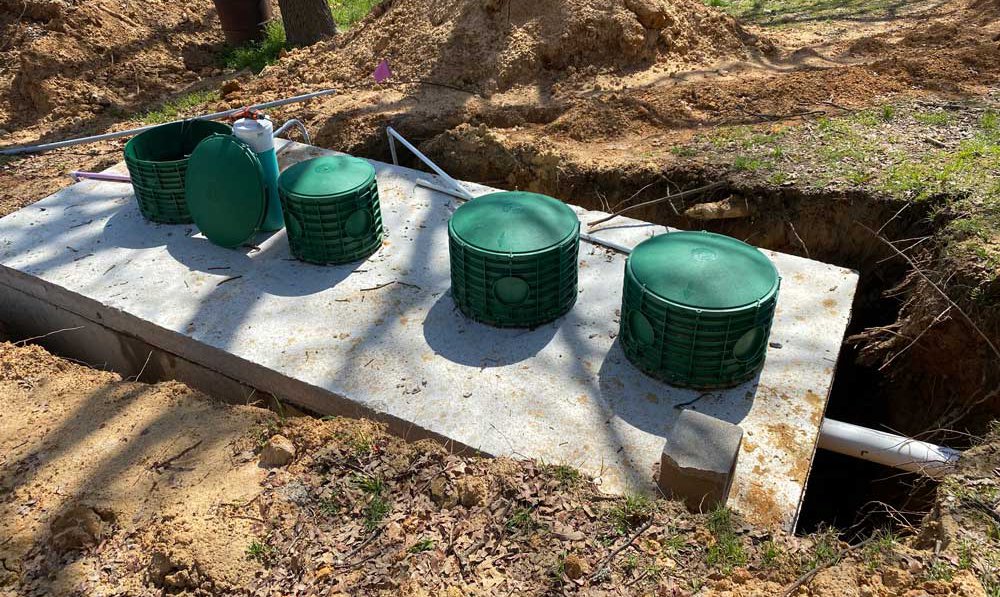
Aerobic treatment units (ATUs) inject oxygen into the treatment process, producing a higher-quality effluent that can be dispersed on smaller lots or in areas where soil conditions don't support a conventional drain field. Many counties in the DFW area — including Denton, Collin, and Rockwall — require aerobic systems on smaller residential lots.
The main trade-off with aerobic systems is ongoing maintenance. Texas requires a maintenance contract with a licensed provider, and the system needs regular inspections and chlorine tablet replenishment. Annual maintenance costs typically run $150–$300 per year.
So which system is right for you? It depends on your lot size, soil percolation test results, county regulations, and budget. Royal Flush Septics will evaluate your property and walk you through the best option — at no charge. Call us at 972-974-2777 for a free site assessment.